 +662-105-4288
 1800 789 560



Can a Cracked Tooth Heal Itself?
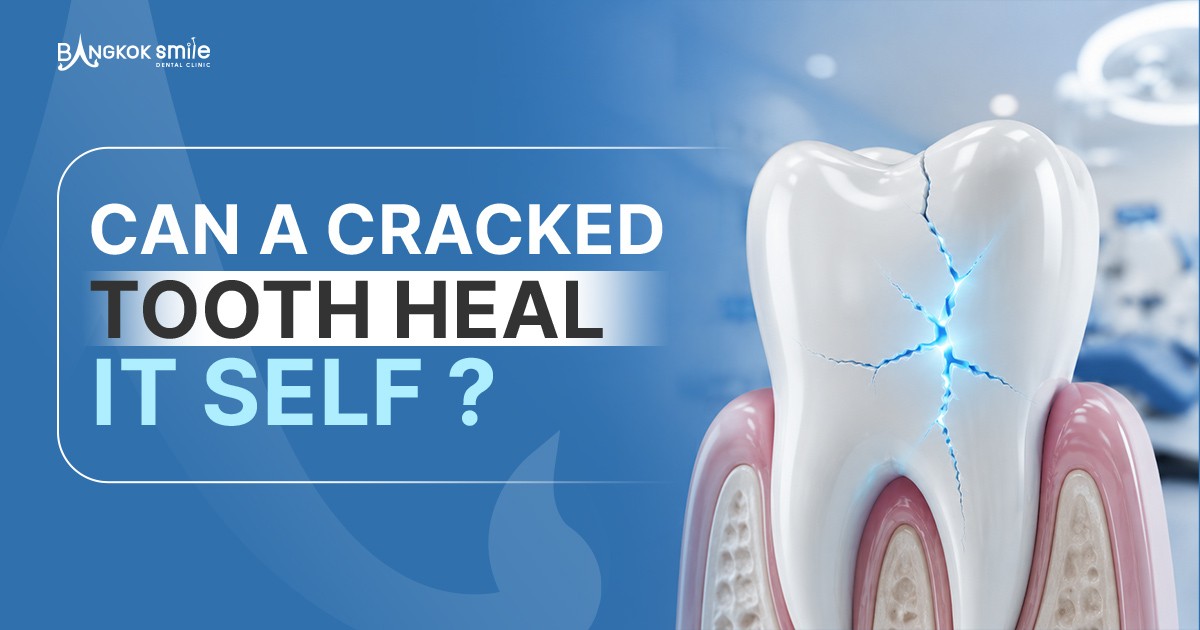
A cracked tooth can be painful, frustrating, and often difficult to diagnose. Many people hope that the discomfort will disappear on its own and wonder whether a cracked tooth can heal naturally.
Unfortunately, the answer is no.
Once a tooth develops a crack, it cannot repair itself. Without treatment, the crack may worsen over time and potentially lead to infection, nerve damage, or even tooth loss.
In this guide, we'll explain why cracked teeth don't heal naturally, what symptoms to watch for, and which treatments can help protect your tooth before the damage becomes more serious.
Quick Answer – Can a Cracked Tooth Heal Itself?
No, a cracked tooth cannot heal itself.
Unlike bones and soft tissues, teeth cannot regenerate damaged enamel or repair structural fractures. Once a crack develops, professional dental treatment is often required to prevent the damage from worsening.
Depending on the severity of the crack, treatment may include:
- Dental bonding
- Dental crowns
- Root canal treatment
- Tooth extraction (in severe cases)
The earlier a cracked tooth is diagnosed, the greater the chance of saving the natural tooth.
Key Takeaways
- A cracked tooth will not heal naturally.
- Cracks often become larger over time.
- Ignoring symptoms may lead to infection or tooth loss.
- Dental crowns are one of the most common treatments for protecting cracked teeth.
- Early treatment significantly improves the likelihood of saving the tooth.
What Is a Cracked Tooth?
A cracked tooth occurs when a fracture develops in the enamel, dentin, or deeper layers of the tooth structure.
Cracks can range from tiny hairline fractures to significant splits that affect the root.
Common types include:
- Craze lines
- Fractured cusps
- Cracked teeth
- Split teeth
- Vertical root fractures
Some cracks are visible, while others may only be detected during a professional dental examination.
What Causes a Cracked Tooth?
Several factors can increase the risk of developing a cracked tooth.
Common causes include:
- Biting hard foods
- Chewing ice
- Teeth grinding (bruxism)
- Sports injuries
- Large fillings that weaken the tooth
- Age-related wear and tear
Molars are particularly vulnerable because they absorb the greatest chewing forces.
What Are the Symptoms of a Cracked Tooth?
A cracked tooth is not always easy to identify.
Common symptoms include:
1. Pain When Biting
Many patients experience sharp pain when biting down or releasing pressure.
2. Sensitivity to Hot and Cold
Temperature changes may trigger discomfort if the crack exposes deeper layers of the tooth.
3. Tooth Pain That Comes and Goes
Unlike a cavity, cracked tooth pain is often intermittent.
4. Swelling Around the Tooth
Infection may occur if bacteria enter through the crack.
5. A Cracked Tooth With No Pain
Some cracks cause no symptoms initially. However, this does not mean the tooth is healthy or that treatment is unnecessary.
Can a Cracked Tooth Get Worse If Left Untreated?
Yes. A crack rarely remains the same size.
Everyday chewing forces can gradually cause the fracture to spread deeper into the tooth.
Without treatment, a cracked tooth may lead to:
- Severe sensitivity
- Infection
- Abscess formation
- Root canal treatment
- Tooth extraction
Seeking treatment early often prevents more complex and costly procedures later.
What Do Dentists Recommend for a Cracked Tooth?
Most dentists recommend treating a cracked tooth as soon as possible.
The appropriate treatment depends on the size, location, and severity of the crack.
Potential treatment options include:
1. Dental Bonding
Small cosmetic cracks may be repaired using tooth-colored composite resin.
2. Root Canal Treatment
If the crack reaches the pulp and damages the nerve, root canal therapy may be necessary.
3. Dental Crown
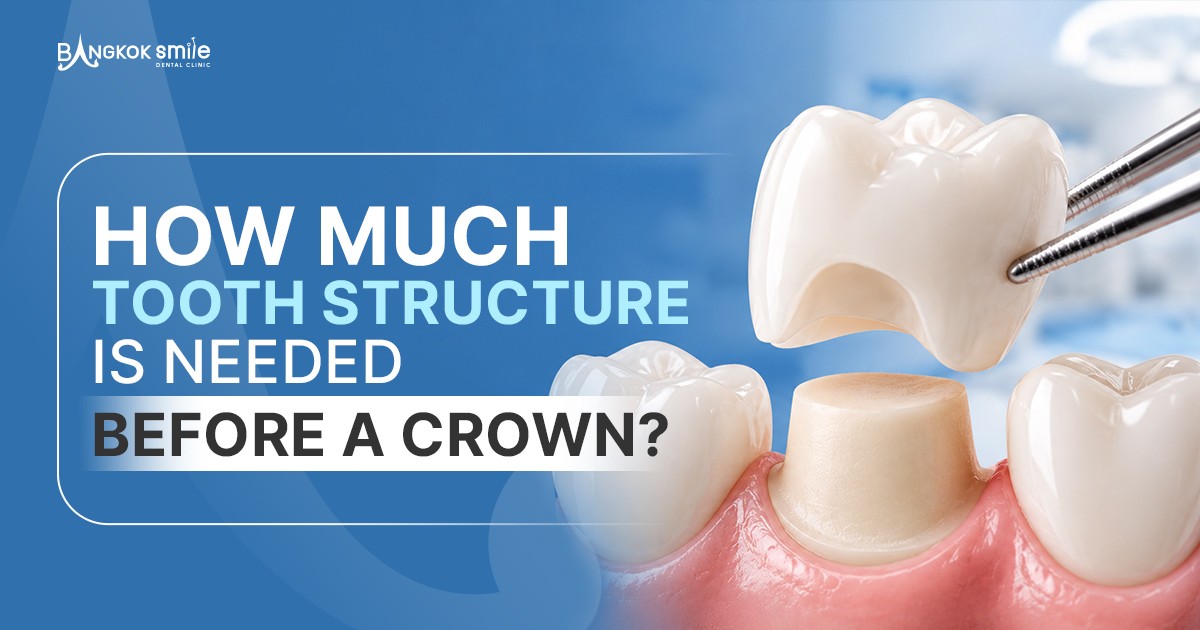
For many structurally weakened teeth, a dental crown provides the most predictable long-term protection.
Why Do Dentists Recommend Dental Crowns for Cracked Teeth?
Dental crowns are often considered the gold standard treatment for cracked teeth because they protect the entire tooth rather than just the damaged area.
A crown acts like a protective shield that surrounds the tooth and helps prevent the crack from spreading further.
- Benefits of dental crowns include:
- Restoring strength and stability
- Protecting against further fractures
- Improving appearance
- Allowing comfortable chewing
- Preserving the natural tooth whenever possible
For many patients, a crown can help avoid more extensive treatments in the future.
Learn more about our: Dental Crown Treatments.
Should You See a Dentist Immediately for a Cracked Tooth?
You should seek prompt dental care if you experience:
- Severe pain
- Swelling
- Difficulty chewing
- A visible crack
- Signs of infection
A cracked tooth is not always a dental emergency, but delaying treatment can significantly increase the risk of complications.
How Can You Prevent a Cracked Tooth?
While not every crack can be prevented, these habits may reduce your risk:
- Avoid chewing ice and hard objects
- Wear a sports mouthguard
- Use a night guard if you grind your teeth
- Attend regular dental checkups
- Treat cavities early
Preventive care is often the best way to avoid serious dental fractures.
Why International Patients Choose Bangkok Smile Dental Clinic
When it comes to preserving a cracked tooth, early diagnosis and expert treatment make all the difference.
At Bangkok Smile Dental Clinic, our experienced restorative dentists use advanced diagnostic technology to accurately assess cracked teeth and recommend the most conservative treatment possible.
Patients choose Bangkok Smile because:
- International-standard dental care
- Experienced restorative and cosmetic dentists
- High-quality dental crown solutions
- English-speaking dental team
- Trusted by patients from around the world
- Modern digital dentistry technology
- Excellent patient satisfaction and online reviews
Our goal is always to preserve your natural tooth whenever possible while restoring comfort, function, and confidence.
Frequently Asked Questions About Cracked Teeth
1. Can a cracked tooth heal without treatment?
No. Teeth cannot regenerate damaged enamel or repair structural fractures.
2. Can a cracked tooth get worse over time?
Yes. Everyday chewing forces can cause the crack to expand.
3. Does every cracked tooth need a crown?
No. Minor cracks may only require monitoring or bonding. However, crowns are commonly recommended when the tooth structure has been weakened.
4. Can a cracked tooth be saved?
In many cases, yes. Early diagnosis and treatment provide the best chance of preserving the natural tooth.
5. How long does a dental crown last?
With proper care, a dental crown can last many years and provide reliable protection for a cracked tooth.
Don't Ignore a Cracked Tooth
A cracked tooth will not heal on its own, and waiting for symptoms to disappear can allow the damage to worsen.
The good news is that modern dental treatments can often save the tooth and prevent future complications. For many patients, a dental crown provides an effective, durable, and natural-looking solution.
If you're experiencing tooth pain, sensitivity, or suspect you may have a cracked tooth, schedule a consultation with Bangkok Smile Dental Clinic today. Early treatment could make the difference between saving and losing your natural tooth.
Book your consultation today for your needs:
https://www.bangkoksmiledental.com/contact-us.php | AU Free Call: 1800 789 560