 +662-105-4288
 1800 789 560



How Can I Fix Gaps Between My Teeth?
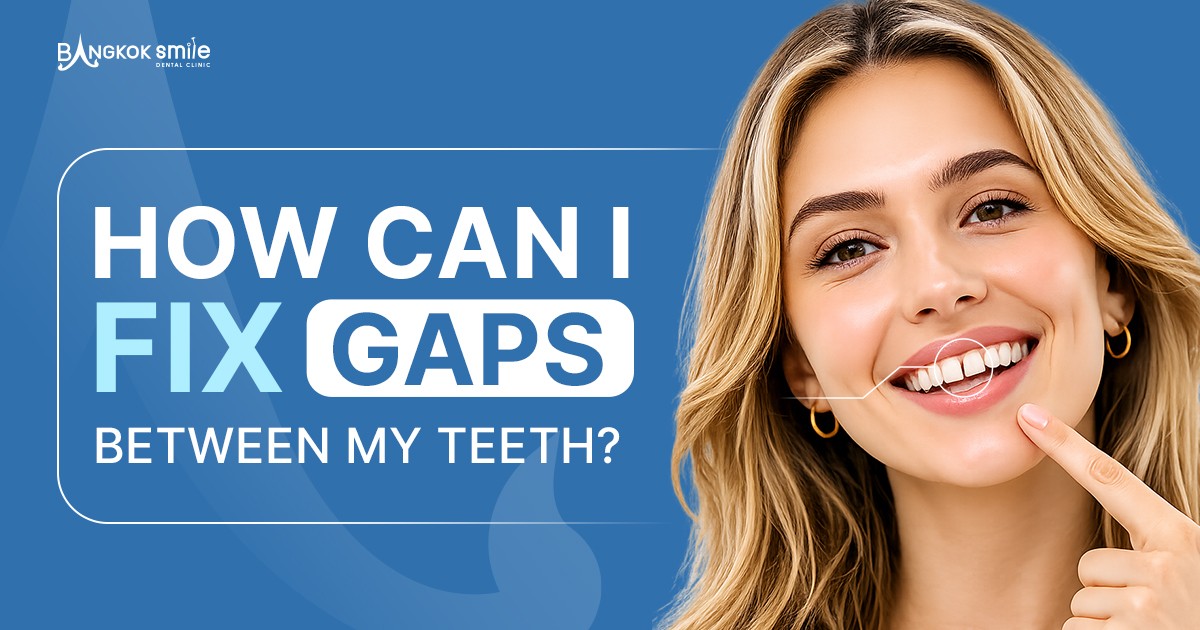
A gap between the teeth—especially between the front teeth—is a common dental concern. While some people see it as a unique feature of their smile, others may wish to close the space for cosmetic or functional reasons.
The good news is that gaps between teeth can often be treated successfully. The right solution depends on what's causing the gap, how large it is, and your overall oral health.
In this article, we'll explain the common causes of tooth gaps, whether they require treatment, and the options available to help you achieve a healthier, more confident smile.
What Are Gaps Between Teeth?
A gap between teeth, also known as diastema, refers to a space that forms between two or more teeth. Although it most commonly appears between the upper front teeth, gaps can develop anywhere in the mouth.
Some people are naturally born with tooth gaps, while others develop them over time due to changes in their oral health or tooth alignment.
Not every gap requires treatment. However, if the spacing affects your bite, oral hygiene, or confidence, it's worth consulting a dentist to discuss your options.
What Causes Gaps Between Teeth?
There are several reasons why spaces can develop between teeth.
1. Genetics
For many people, tooth gaps are inherited. If your teeth are naturally smaller than your jaw, extra space may remain between the teeth.
2. Differences Between Tooth and Jaw Size
When the jaw is relatively large or the teeth are smaller than average, spacing may occur naturally without any underlying dental problems.
3. Missing Teeth
Losing a tooth can cause neighboring teeth to shift over time, creating new gaps elsewhere in the mouth.
4. Gum Disease
Advanced gum disease can damage the bone that supports your teeth. As the supporting structures weaken, teeth may begin to move apart and create noticeable spaces.
5. Thumb Sucking During Childhood
Children who continue thumb sucking beyond the toddler years may develop spacing or changes in tooth alignment as permanent teeth emerge.
6. Tongue Thrusting
Repeated pressure from the tongue against the front teeth when swallowing can gradually push teeth apart over time.
Are Gaps Between Teeth Harmful?
In many cases, tooth gaps are harmless and simply affect the appearance of your smile.
However, you should consider seeing a dentist if your gap:
- Appears suddenly or becomes larger over time
- Is accompanied by bleeding or swollen gums
- Causes food to become trapped frequently
- Makes chewing uncomfortable
- Is associated with loose teeth
These symptoms may indicate an underlying dental problem that should be treated promptly.
Can Gaps Between Teeth Close Naturally?
This depends on your age and the cause of the gap.
In young children, small gaps often close naturally as permanent teeth continue to develop.
For adults, however, gaps rarely close on their own. Once the teeth have fully erupted, professional dental treatment is usually required if you wish to reduce or eliminate the space.
Treatment Options for Gaps Between Teeth
Several treatments are available depending on your individual needs.
1. Dental Bonding
Dental bonding uses a tooth-colored composite resin to reshape the teeth and close small gaps.
Best for:
- Small spaces
- Minor cosmetic improvements
- Patients looking for a quick solution
2. Porcelain Veneers
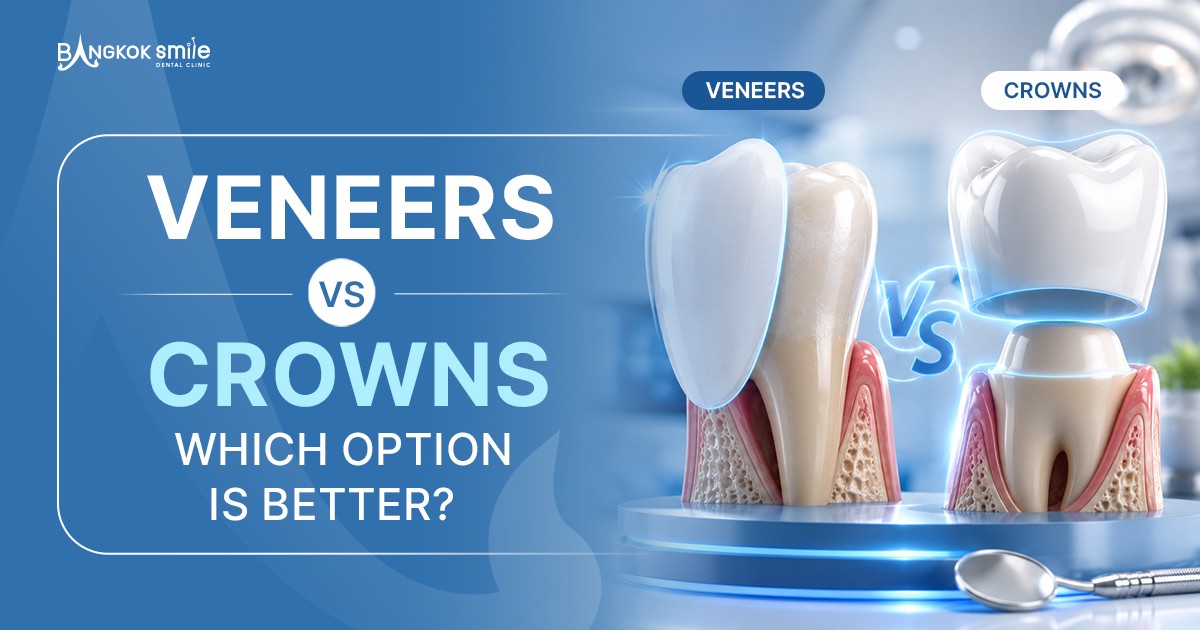
Porcelain veneers are thin custom-made shells that cover the front surface of the teeth. They can improve both the shape and appearance of teeth while closing small to moderate gaps.
Best for:
- Front tooth gaps
- Smile makeovers
- Patients seeking long-lasting cosmetic results
3. Invisalign®
Clear aligners gradually move teeth into better alignment without traditional metal braces.
Best for:
- Multiple gaps
- Mild to moderate alignment issues
- Adults who prefer discreet orthodontic treatment
4. Traditional Braces
Braces remain one of the most effective treatments for larger gaps and complex bite problems.
Best for:
- Large spaces
- Significant tooth movement
- Bite correction
5. Gum Disease Treatment
If gum disease is causing the spacing, treating the underlying periodontal condition should be the first priority before considering cosmetic procedures.
Which Treatment Is Right for You?
The best treatment depends on the size of the gap and its underlying cause.
A dental examination, including X-rays if necessary, can help determine which option is most appropriate.
When Should You See a Dentist?
It's a good idea to schedule a dental examination if you notice:
- A gap that is getting larger
- Pain when biting or chewing
- Loose teeth
- Persistent gum bleeding
- Changes in your bite
- Difficulty cleaning between widely spaced teeth
Early diagnosis can help prevent minor problems from becoming more serious.
Frequently Asked Questions
Can veneers close gaps between teeth?
Yes. Porcelain veneers are a popular cosmetic solution for closing small to moderate gaps, particularly between the front teeth.
Can Invisalign fix tooth gaps?
Yes. Invisalign gradually moves teeth into better alignment and is effective for many cases involving spacing.
Do gaps between teeth get worse with age?
They can. Gum disease, tooth loss, and natural tooth movement may cause gaps to widen over time if left untreated.
Are tooth gaps genetic?
Sometimes. Genetics can influence jaw size, tooth size, and overall tooth spacing.
Is treatment for tooth gaps painful?
Most cosmetic procedures involve minimal discomfort. Orthodontic treatments may cause temporary pressure as the teeth move into position.
Can whitening remove tooth gaps?
No. Whitening only changes the color of your teeth and does not alter their position or shape.
Ready to Improve Your Smile?
If you're considering treatment for gaps between your teeth, a consultation with an experienced dentist can help you understand the available options. After evaluating your oral health and smile goals, your dentist can recommend the treatment that best suits your needs—whether that's dental bonding, porcelain veneers, Invisalign, or another solution to help you achieve a healthier, more confident smile. Click to Book Now