 +662-105-4288
 1800 789 560



Can You Use a DTV Visa for Dental Treatment in Thailand?
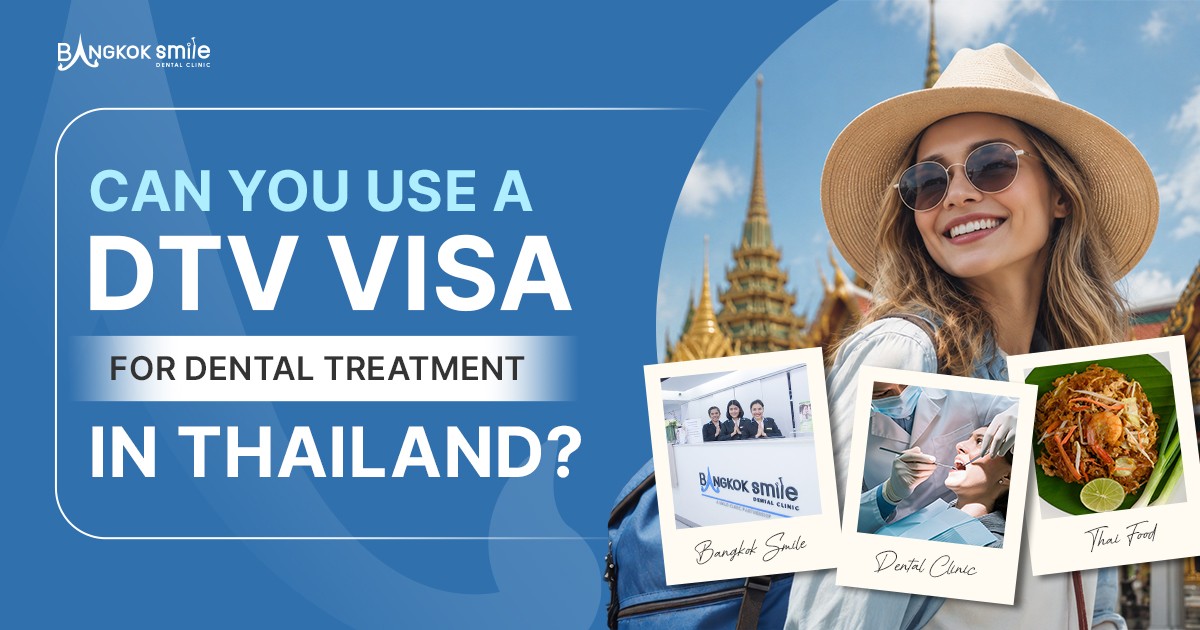
Thailand has become one of the world's leading destinations for dental tourism, attracting hundreds of thousands of international patients every year. For patients considering dental implants, Invisalign, or other long-term treatments, the Destination Thailand Visa (DTV) offers a new way to stay in Thailand legally while completing treatment.
This guide explains who qualifies, which dental procedures are eligible, how long treatment takes, what documents are required, and how to apply for a DTV visa for dental treatment in Thailand.
Can You Use a DTV Visa for Dental Treatment in Thailand?
Yes. The Destination Thailand Visa (DTV) allows entry under Thailand's Soft Power programme, which includes medical and dental treatment.
To qualify, the treatment plan must typically extend for at least six months and include scheduled appointments throughout that period. Participating dental clinics can issue treatment plan letters and supporting documents required for visa applications.
The DTV is a five-year multiple-entry visa that allows stays of up to 180 days per entry, with the option to extend in certain cases. It was introduced to support long-term visitors seeking medical care, education, cultural activities, and remote work opportunities in Thailand.
Which Dental Procedures Qualify for a DTV Visa?
Not all dental procedures qualify for a DTV visa.
1. Dental Treatments That Commonly Qualify
The procedures most commonly accepted under the medical treatment category include:
- Single dental implants
- Multiple dental implants
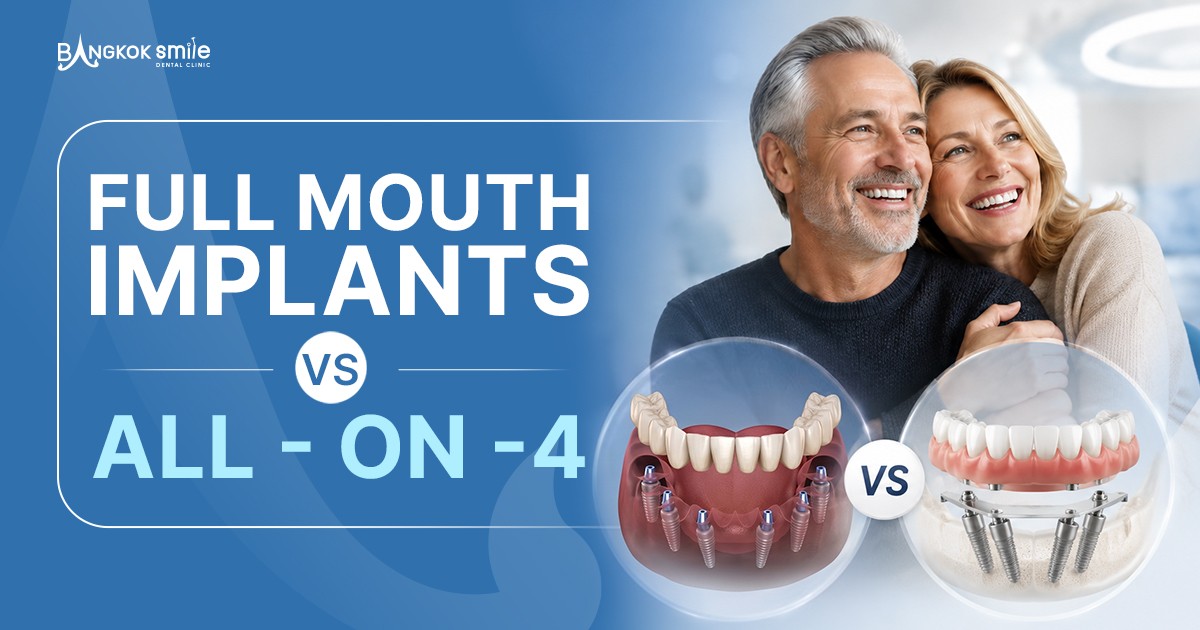
- All-on-4 dental implants
- Invisalign treatment
These treatments naturally require multiple appointments spread over six months or longer.
2. Procedures That Usually Do Not Qualify
Short-term treatments generally do not meet DTV requirements, including:
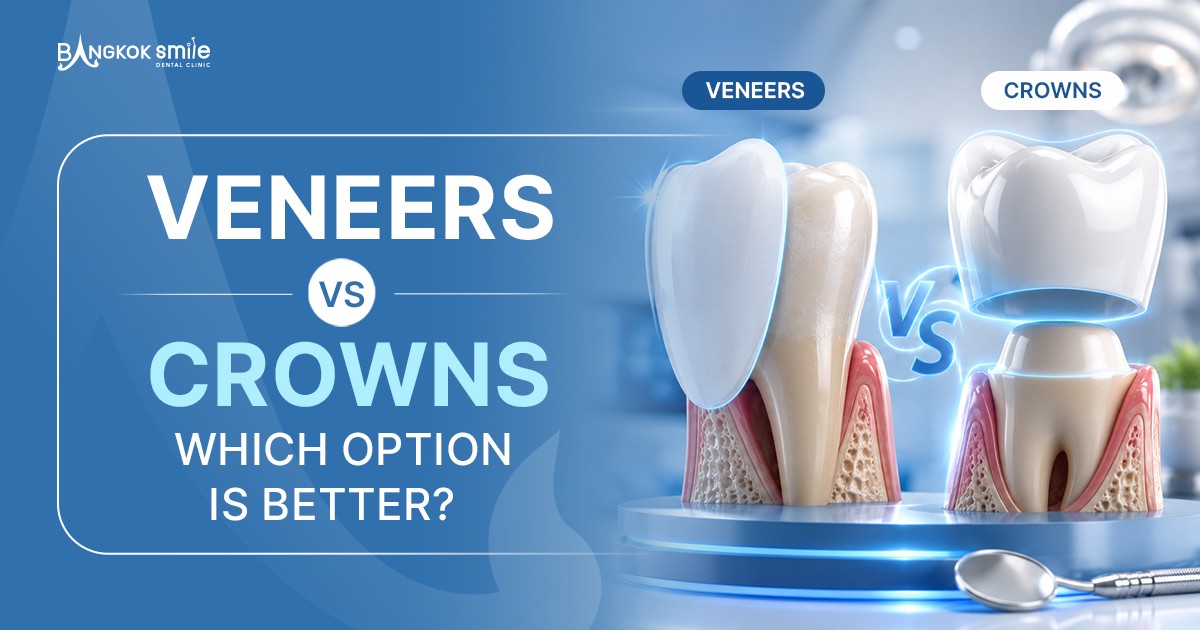
- Dental crowns
- Veneers
- Teeth whitening
- Routine check-ups
These procedures are usually completed within days or weeks rather than several months.
How Long Does Dental Implant Treatment Take in Thailand?
A standard dental implant treatment plan typically takes between three and six months from implant placement to final crown delivery.
If additional procedures such as bone grafting or sinus augmentation are required, the overall timeline may extend to eight to twelve months.
1. Why Dental Implants Require Long-Term Stays
After implant placement, the jawbone must fuse naturally with the titanium implant through a biological process known as osseointegration.
This healing phase generally requires:
- 3–6 months in most cases
- Up to 7 months in some upper-jaw cases
Because this process cannot be accelerated, dental implant patients often benefit from the extended stay allowed under the DTV visa.
2. The 5 Stages of Dental Implant Treatment
- Consultation and examination
- Bone grafting or preparatory procedures (if required)
- Implant placement surgery
- Osseointegration healing period
- Abutment and final crown placement
How Long Does Invisalign Take in Thailand?
Invisalign treatment typically takes between six and eighteen months depending on case complexity.
Most patients return for progress reviews every six to eight weeks to receive new aligners and monitor tooth movement.
Typical Invisalign Treatment Timeline
-
Mild cases: 6–9 months
-
Moderate cases: 12–15 months
-
Complex cases: 18+ months
Additional refinement aligners may extend treatment by one to three months.
How Much Can You Save on Dental Treatment in Thailand?
One of the main reasons international patients choose Thailand is cost savings.
Dental treatment in Thailand is often 60–70% less expensive than comparable treatment in the United Kingdom, Australia, or the United States.
Typical Savings
According to industry data cited in the article, Thailand's dental tourism sector serves approximately 972,000 international patients annually and continues to experience strong growth.
What Documents Are Required for a DTV Visa Application?
To support a DTV visa application, dental clinics may provide:
- Official treatment plan letter
- Appointment schedule
- Clinic registration documentation
These documents help demonstrate that treatment will continue over a qualifying period of six months or more.
Additional Documents Patients May Need
Applicants may also be required to provide:
- Passport
- Financial evidence
- Current location or residency proof
- Visa application forms
Specific requirements may vary depending on the Thai embassy or consulate handling the application.
How to Apply for a DTV Visa for Dental Treatment
The process typically involves six steps:
- Schedule an online consultation
- Receive a treatment plan
- Obtain clinic support documents
- Prepare financial evidence
- Submit a DTV visa application
- Travel to Thailand and begin treatment
The preparation period before arrival generally takes between two and four weeks.
Can You Work Remotely While Receiving Dental Treatment in Thailand?
Yes.
One of the unique advantages of the DTV visa is that it allows remote work for overseas employers or clients while staying in Thailand.
This makes the visa particularly attractive for:
- Digital nomads
- Remote employees
- Freelancers
- Business owners
who want to combine dental treatment with an extended stay in Thailand.
Is Dental Care in Thailand Good Quality?
Thailand is internationally recognised for high-quality dental care and modern facilities.
Many leading clinics offer:
- Internationally trained dentists
- Advanced digital dentistry technology
- Globally recognised implant systems
- International accreditation standards
Patients are encouraged to review clinician qualifications, treatment experience, implant brands, and patient reviews before selecting a provider.
Frequently Asked Questions About DTV Dental Treatment
1. How long can I stay in Thailand on a DTV Visa?
Up to 180 days per entry, with possible extensions depending on eligibility.
2. Can family members join me?
Yes. Dependent DTV visas may be available for eligible family members.
3. Do dental implants qualify for a DTV Visa?
Yes. Dental implant treatment is one of the most common qualifying procedures because treatment naturally extends over several months.
4. Does Invisalign qualify for a DTV Visa?
Yes. Invisalign treatment commonly lasts six months or longer and generally satisfies DTV treatment duration requirements.
Book a Free Online Consultation
Considering dental implants or Invisalign in Thailand?
Our experienced dental team can review your case, discuss your treatment timeline, and help determine whether your treatment may qualify for DTV visa support documentation. You can book a consultation at https://www.bangkoksmiledental.com/contact-us.php